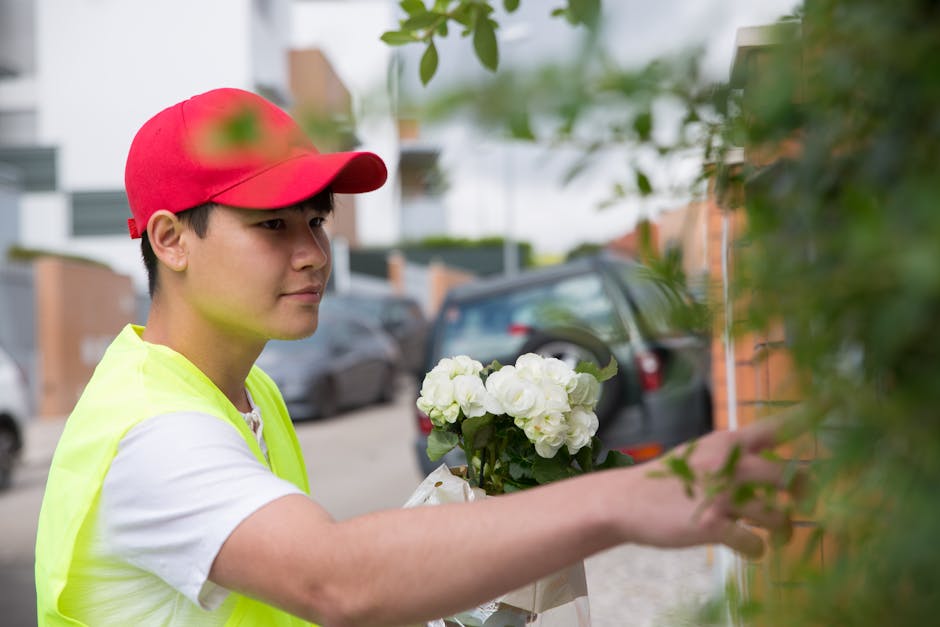
Common customer problems with national flower delivery and fixes
Ordering flowers nationally should feel simple: choose a bouquet, add a message, pick a date, done. But anyone who has used nationwide flower delivery knows it can get a bit messy. A bouquet arrives later than expected, the blooms look flatter than the picture, a card message goes missing, or the recipient is out and the flowers end up awkwardly handled by a neighbour. That is exactly why understanding common customer problems with national flower delivery and fixes matters before you place the order.
This guide breaks down the real frustrations people run into, why they happen, and what you can do to avoid them. It is written for anyone sending flowers across the UK, whether it is for a birthday, sympathy tribute, apology, wedding, anniversary, or just because. Let's face it, flowers are emotional purchases. When they go wrong, the disappointment lands quickly.
Below, you will find practical fixes, a clear step-by-step approach, a comparison of delivery options, and a checklist you can use before checkout. A few small decisions up front can save a lot of hassle later. And, to be fair, a slightly better plan beats frantic phone calls on a rainy Tuesday afternoon.
Table of Contents
- Why common customer problems with national flower delivery and fixes matter
- How national flower delivery works
- Key benefits and practical advantages
- Who this is for and when it makes sense
- Step-by-step guidance
- Expert tips for better results
- Common mistakes to avoid
- Tools, resources and recommendations
- Law, compliance, standards and best practice
- Options, methods and comparison table
- Case study or real-world example
- Practical checklist
- Conclusion
- Frequently Asked Questions
Why Common customer problems with national flower delivery and fixes Matters
National flower delivery sounds convenient, but the bigger the network, the more moving parts there are. Orders may pass through an online storefront, a local florist, a courier, or a combination of all three. That means more points where something can slip: timing, handling, substitutions, card messages, payment confirmation, or delivery access.
Why does this matter so much? Because flowers are not a standard parcel. They are perishable, delicate, and usually time-sensitive. A late delivery for a birthday is annoying; a late delivery for a funeral tribute or hospital visit can be genuinely upsetting. In our experience, most complaints are not about bad intentions. They are about expectation gaps. The website promised one thing, the customer imagined another, and the reality sits somewhere awkwardly in the middle.
Understanding the common problems helps you make better choices. It also helps you spot warning signs before you pay. A good national florist should make delivery terms easy to understand, explain substitutions clearly, and give you a realistic idea of what will arrive. If they do not, that is already useful information.
Expert summary: the best protection against flower delivery issues is not luck; it is clear information. When you know how substitutions, cut-off times, delivery zones, and redelivery rules work, you are much less likely to be disappointed.
How Common customer problems with national flower delivery and fixes Works
National flower delivery usually works in one of three ways. First, the florist may prepare the arrangement in-house and send it directly through their own courier network. Second, an order may be routed to a partner florist near the destination. Third, a central fulfilment team may pack flowers and hand them to a delivery service. Each setup has strengths, and each comes with trade-offs.
For customers, the experience often looks similar on the surface. You choose a product, enter the recipient's details, select a delivery date, and pay. Behind the scenes, though, the route matters. If the bouquet is made locally near the delivery address, it may travel better. If it is shipped long distance in a box, the arrangement might arrive in tighter bud form and need a little time to open up.
The most common issues usually happen at the handoff points:
- the order details are incomplete or unclear
- the delivery address has access problems
- the florist substitutes stems without enough explanation
- the courier misses the preferred delivery window
- the recipient is unavailable when the driver arrives
That does not mean national delivery is unreliable. Not at all. It means the service depends on good information going in and careful handling coming out. A customer who understands the process can usually avoid most of the headaches.
Key Benefits and Practical Advantages
Despite the risks, national flower delivery is popular for good reason. It solves a real problem: sending a thoughtful gift across distance without having to visit a shop yourself. For many people, that is the whole point. You want something fresh, seasonal, and beautiful to arrive where you cannot.
Here are the main advantages, especially when the service is run well:
- Convenience: you can order online at any time, which is handy when life gets busy.
- Speed: many services offer next-day or named-day delivery, useful for birthdays and apologies.
- Broader choice: you can send flowers to addresses that are far from your own.
- Better planning: thoughtful reminders and pre-scheduled delivery dates reduce last-minute stress.
- Occasion matching: the right bouquet can suit sympathy, celebration, romance, or corporate gifting.
The key is to treat national delivery as a service with rules, not a magical box of roses. If you understand the rules, the benefit-to-stress ratio improves fast. Truth be told, that is where the value really sits.
Who This Is For and When It Makes Sense
National flower delivery makes sense for a lot of people, but not every situation. It is ideal for:
- people sending flowers to another town or region in the UK
- busy customers who need a simple online order process
- gift-givers who need timed delivery for a special date
- businesses sending client flowers, staff gifts, or event arrangements
- anyone who wants a wider range than their nearest local shop can offer
It may be less suitable when you need an extremely specific arrangement, a highly unusual vase, or a very sensitive timing requirement with no room for error. In those cases, speaking directly with a florist can be better. If you are planning a wedding or multi-location event, for example, logistics start to matter a lot more. You may want to review a specialist resource such as transport timelines for multi-venue flower delivery before locking in dates.
There is also a corporate angle. Offices often need reliable recurring delivery, invoice handling, and a consistent look across multiple locations. For that, a dedicated corporate accounts approach can be more practical than placing one-off retail orders every week. Not glamorous, maybe, but it works.
Step-by-Step Guidance
If you want to reduce delivery problems before they happen, use this simple process. It is not fancy. It just works.
- Check the delivery area and cut-off time. Do not assume next-day means next-day for every postcode. Some areas have earlier cut-offs or limited weekday options.
- Read the substitution policy. Flowers are seasonal, so substitutions happen. The important question is whether the florist replaces stems with a similar style, colour, and value.
- Enter the address exactly as it is used locally. Include flat numbers, building names, business hours, and any access notes. A missing detail can cause the whole order to wobble.
- Double-check the recipient's availability. Hospitals, offices, schools, and busy households all have different delivery constraints. If in doubt, choose a date when someone is likely to be there.
- Write a short, clear message. Keep it readable. Long messages can get awkward if the florist has limited card space.
- Confirm the delivery method. Ask whether the flowers are delivered locally, boxed, or through a courier network.
- Review guarantees and refund terms. Look at what happens if flowers arrive damaged, late, or not at all.
- Choose care-friendly flowers if timing is tight. Some flowers travel better than others. If you need something longer-lasting, guidance like longer-lasting flower choices can help you make a calmer decision.
If you are ordering for a birthday or surprise and want the bouquet to hold up well after transit, a practical read such as birthday flower ideas that travel well can also be useful. Small details, but they add up.
Expert Tips for Better Results
Most flower delivery complaints can be prevented with a few habits. Here is what tends to make the biggest difference in real life.
- Use a complete delivery address. Include department names, access codes, floor numbers, and whether reception can accept parcels.
- Choose a safer delivery day. If the flowers are for an important event, avoid leaving the order until the last possible slot. One day earlier is often less stressful.
- Pick a design that suits the occasion and route. Large, loose arrangements can travel less neatly than compact hand-tied bouquets.
- Expect seasonal variation. If peonies are out of season or a stem shortage hits, a reputable florist should explain what will replace them.
- Keep the recipient in mind. If they are in a hospital or workplace, fragrance level, size, and packaging matter more than you might think.
- Check the care guidance straight away. Many bouquets simply need a fresh trim, clean vase, and cool water. That first ten minutes counts.
A useful little habit is to take a screenshot of your order confirmation. Old-fashioned maybe, but if there is any discrepancy later, having the details to hand saves time. You will thank yourself later when the card says one thing and the receipt says another.
And one more thing: if a florist explains the likely shape of the bouquet honestly, that is usually a good sign. The best services do not oversell. They set expectations properly. Refreshing, really.
Common Mistakes to Avoid
Now for the problems customers run into most often. Some are small. Some are frustrating. A few are completely avoidable.
- Assuming every postcode qualifies for the same delivery speed. It does not. Rural areas, islands, and some remote locations can have different schedules.
- Ignoring the flower image size note. Many product photos show a premium size or a carefully styled arrangement. The actual bouquet may be smaller unless you select an upgrade.
- Missing the substitution fine print. If a florist cannot source a stem, they may replace it with a similar flower. That is normal, but it should be transparent.
- Putting down the wrong contact details. A simple typo in a postcode or phone number can create unnecessary delay.
- Leaving special instructions too vague. "Leave at front door" is not always safe or sensible. Be precise.
- Ordering too late for a meaningful occasion. Last-minute delivery can work, but it reduces your margin for error.
One slightly embarrassing but common mistake? People sometimes send flowers to a workplace and forget the recipient works remotely that week. It happens more than you would think. A five-second calendar check can save the whole thing.
Another common issue is choosing flowers based only on the photo rather than the purpose. A romantic bouquet for a partner, a sympathy tribute for a funeral director, and a cheerful desk arrangement all need different handling. Same service. Different job.
Tools, Resources and Recommendations
You do not need a toolkit as such, but a few resources make the process much smoother.
- Order notes: keep a simple note of delivery details, preferred date, and card text before you checkout.
- Recipient contact awareness: if appropriate, make sure you know the recipient's phone number or work contact details in case the delivery driver needs them.
- Flower care advice: follow basic aftercare guidance as soon as the bouquet arrives. A lot of disappointment starts with flowers being left in warm water too long.
- Guarantees page: review the florist's promises for freshness, damage handling, and re-delivery where available. For example, delivery and freshness guarantees should be clear enough for a customer to understand without decoding legal jargon.
- Returns and refund terms: know what counts as an eligible issue and how quickly you must report a problem. The page on returns and refunds is worth reading before you buy.
- Flower care instructions: if the bouquet arrives looking a bit sleepy after transit, proper aftercare can make a visible difference. That is where flower care guidance comes in.
For broader context, the florist's own business pages can also tell you something useful. An honest about us page, for example, often shows whether the business explains its process clearly or hides behind broad claims. That sounds minor, but it helps build trust.
Law, Compliance, Standards, or Best Practice
Flower delivery is not usually about heavy regulation for the customer, but there are still standards and obligations worth understanding. In the UK, consumer-facing businesses should give clear information about prices, delivery terms, refunds, and what happens if an item is unavailable. You should not have to hunt through a maze of small print to figure out the basics.
Best practice usually includes:
- clear product descriptions
- transparent delivery cut-off times
- honest substitution policies
- straightforward refund or redelivery handling
- plain-English contact routes if something goes wrong
It is also sensible for businesses to be careful with accessibility, payment security, and privacy. The customer may be sharing names, addresses, card messages, and sometimes sensitive occasion information. A reputable site should make privacy and payment handling understandable, not mysterious. If you want to check those basics, see the site's privacy policy, payment information, and terms and conditions.
For gifts linked to bereavement, hospitals, or workplaces, best practice also means choosing sensible flowers, accurate labels, and realistic delivery timing. No one wants to make a difficult day more complicated. That part matters as much as the bouquet itself.
Options, Methods, or Comparison Table
Different delivery methods suit different situations. Here is a simple comparison to help you choose more confidently.
| Delivery method | Best for | Typical strengths | Common drawbacks |
|---|---|---|---|
| Local florist network | Personal occasions, same-area delivery, fresher presentation | Can feel more personal, often less transit time | Availability may vary by area and season |
| Boxed courier delivery | Wider reach, simple national coverage | Efficient for long-distance orders, broad delivery footprint | Recipient may need to arrange flowers after arrival |
| Named-day florist delivery | Birthdays, anniversaries, sympathy flowers, planned gifts | Better timing control, less guesswork | Can sell out on busy dates |
| Last-minute delivery | Urgent apologies, forgotten occasions, quick fixes | Fast and convenient | Higher risk of substitutions, narrow time windows, limited choice |
If you are torn between speed and quality, ask a simple question: does the occasion need the flowers to arrive on a specific day, or just arrive looking their best? That answer usually points you in the right direction. And yes, sometimes the honest answer is to order earlier next time. Annoying, but true.
For those who like to compare value before committing, this piece on comparing florist quotes and value can be a useful read. It helps you judge what you are paying for, instead of focusing only on the headline price.
Case Study or Real-World Example
Picture a customer in Manchester sending flowers to a sister in Bristol for a milestone birthday. The first attempt looked easy enough: a bright mixed bouquet, a card message, next-day delivery. But the address only had the street name, not the flat number, and the recipient had an office day that week. The delivery was delayed, the flowers sat in a depot longer than planned, and the customer ended up worrying all morning.
On the second attempt, the customer did three things differently. They added the flat number, chose a named day when the recipient was home, and selected a slightly hardier bouquet with clear care instructions. Result? A cleaner delivery, better-looking flowers on arrival, and a much calmer experience all round.
That is the pattern you see again and again. Most problems are not dramatic, they are cumulative. A missing detail here, a vague instruction there, a rushed order on top. Nothing huge on its own. Together, though, it becomes a headache.
Another small but telling scenario: sympathy flowers to a church hall on a damp Friday morning. The family contact had arranged access, but the delivery note did not mention a side entrance. The driver called, the flowers arrived a little later than planned, and everyone spent ten extra minutes sorting it out. Not disaster. Just friction. The fix would have been one sentence in the order notes.
Practical Checklist
Use this before you click pay. It takes under two minutes, and it genuinely helps.
- Have I entered the full delivery address, including flat, building, or department?
- Have I checked the delivery date and cut-off time?
- Do I understand the substitution policy?
- Is the recipient likely to be available to receive the flowers?
- Have I included a clear card message?
- Do I know what happens if delivery fails or is delayed?
- Have I chosen an arrangement suitable for the occasion and transit time?
- Have I reviewed the florist's returns and refund terms?
- Do I know how to contact the business if there is a problem?
- Have I kept a screenshot or order confirmation for my records?
If you can tick most of those off, you are already ahead of a lot of customers. It is a small habit, but it pays for itself quickly. Maybe not dramatically. Still, it saves stress. And that counts.
Get a free quote today and see how much you can save.
Conclusion
National flower delivery is brilliant when it is handled well, but it is not immune to practical problems. The most common customer issues are usually predictable: late delivery, address mistakes, substitutions, packaging concerns, and unclear refund terms. The good news is that most of them can be reduced with a few simple checks before checkout.
If you remember only one thing, make it this: choose a florist or delivery service that explains things clearly. Clear cut-off times, clear substitutions, clear aftercare, clear support. That clarity is what turns a potentially stressful order into a smooth one.
Flowers are one of those small gestures that can carry a lot of feeling. When they arrive on time and looking lovely, the effect is bigger than the sum of the stems. That is the bit worth getting right.
Frequently Asked Questions
What are the most common problems with national flower delivery?
The most common issues are late delivery, wrong or incomplete addresses, flower substitutions, damaged blooms, missing card messages, and unclear refund handling. Most are preventable with good order details and a clear policy.
How can I avoid flower delivery delays?
Check the cut-off time, choose a realistic delivery day, enter a complete address, and avoid leaving the order until the last minute. If the occasion is important, give yourself a buffer.
Why do florists sometimes substitute flowers?
Flowers are seasonal and supply can change quickly. A florist may replace one stem with another of similar style, colour, and value when the original is unavailable. Good businesses explain this clearly before you buy.
Are national flower deliveries usually boxed or arranged?
It depends on the service. Some send fully arranged bouquets through local florist networks, while others deliver flowers in a box for the recipient to arrange. Each method has pros and cons.
What should I do if the flowers arrive damaged?
Take clear photos straight away, keep the packaging, and contact the florist as soon as possible. Most businesses have a time window for reporting damage, so do not leave it too long.
Is same-day flower delivery reliable?
It can be, but it is more sensitive to cut-off times, local stock, and route planning. Same-day delivery is best for flexible occasions, not for events where timing absolutely cannot slip.
How do I know if a national florist is trustworthy?
Look for transparent delivery terms, a clear substitution policy, visible contact information, sensible refund guidance, and a straightforward explanation of how the service works. A trustworthy florist usually sounds calm, not dramatic.
Can I send flowers to hospitals or workplaces?
Yes, but you need to be careful with access, timing, and recipient availability. Always include the ward, department, or reception details if relevant, and check whether the location accepts floral deliveries.
What is the best flower type for nationwide delivery?
Hardier flowers and compact arrangements tend to travel better than very loose, delicate designs. If freshness over distance is the priority, choose blooms known for lasting well after arrival.
Do refunds apply if the flowers are late?
That depends on the florist's terms and the reason for the delay. Some services offer redelivery or refund options for qualifying problems, but you should read the policy before ordering.
Why do some national flower orders look smaller than the website photo?
Website images often show premium versions, staged arrangements, or flowers that have been styled for photography. Always check the product size, stem count, or variant before buying.
What is the safest way to order flowers for an important occasion?
Order early, choose a named-day or timed option if available, double-check the address, read the substitution policy, and review the guarantees. A bit of planning makes a huge difference.
Are there extra costs I should expect?
Delivery charges, premium size upgrades, and sometimes timing surcharges can apply. The sensible move is to review the final basket total before payment so there are no surprises at checkout.
What should I do if I need flowers sent regularly for business?
If you send flowers often, a structured business arrangement can be easier to manage than repeated one-off orders. That is where services like corporate accounts can help with consistency and administration.
How can I make sure the flowers stay fresh after delivery?
Unwrap them promptly, trim the stems, use a clean vase, and follow the care guidance that comes with the bouquet. Small steps matter more than people think, especially on a warm day or after a long journey.
Should I choose national delivery or a local florist?
If you need reach, speed, and convenience, national delivery is often the better fit. If you want more direct communication or a highly specific design, a local florist can be the smarter choice. It depends on the occasion and how much control you want.