How florists source seasonal British blooms: insider methods
Seasonal British flowers have a different feel altogether. They smell fresher, they look less forced, and they tend to suit the time of year in a way imported stems often cannot quite match. But how do florists actually get them? How florists source seasonal British blooms: insider methods is less about one magical supplier and more about timing, relationships, weather, and a fair bit of quick decision-making. If you have ever wondered why one bouquet feels wonderfully local and another feels a bit generic, the answer is usually in the sourcing.
In practice, florists are juggling grower calendars, market availability, estate-grown crops, courier timings, and the occasional "we've got two perfect buckets of ranunculus, take them now" message. It is part planning, part instinct. This guide breaks down how the process works, why it matters, what professionals look for, and how buyers can tell when a florist is sourcing well. No fluff. Just the useful stuff.
Why sourcing seasonal British blooms matters
There is a simple reason seasonal flowers keep coming back into favour: they feel alive in a way that mass-produced stems often do not. British-grown blooms usually travel less, are picked closer to the point of sale, and can offer a stronger sense of place. In late spring, for example, you may see peonies, sweet peas, and ranunculus arriving with that soft, just-opened look that customers notice instantly. In autumn, dahlias, chrysanthemum varieties, berries, and textural foliage carry the mood beautifully.
For florists, this is not only an aesthetic choice. Seasonal sourcing helps shape pricing, product design, and reliability. A florist who knows what is peaking now can create arrangements that look natural rather than forced. That matters for weddings, sympathy work, retail bunches, and corporate displays alike. It also means the business is not fighting the season. That's a big deal, honestly.
Customers benefit too. They get better vase life, more character, and often better value for money because the flowers are in their natural rhythm. And when florists build a reputation around seasonal British stems, they are usually building trust as well. People like the feeling that their bouquet is connected to the time of year, the countryside, and a proper bit of craft.
If you want to understand the broader values that often sit behind this approach, pages like sustainability and about us can give you a sense of the standards many modern flower businesses are trying to uphold.
How florists source seasonal British blooms
The insider version is straightforward once you strip away the romance. Florists usually source seasonal British blooms through a mix of direct grower relationships, wholesale markets, specialist suppliers, and pre-order agreements. The exact balance changes depending on the florist's size, style, and the occasion they are designing for.
Direct from the grower is often the most prized route. A florist may work with a flower farm in Kent, Cornwall, Lincolnshire, Yorkshire, or another British growing region and place orders based on what is ready that week. These relationships tend to be built over time. A grower learns the florist's colour preferences, volume needs, and quality expectations, while the florist learns which varieties are likely to be available and when. It is a bit like learning the rhythm of a very specific conversation.
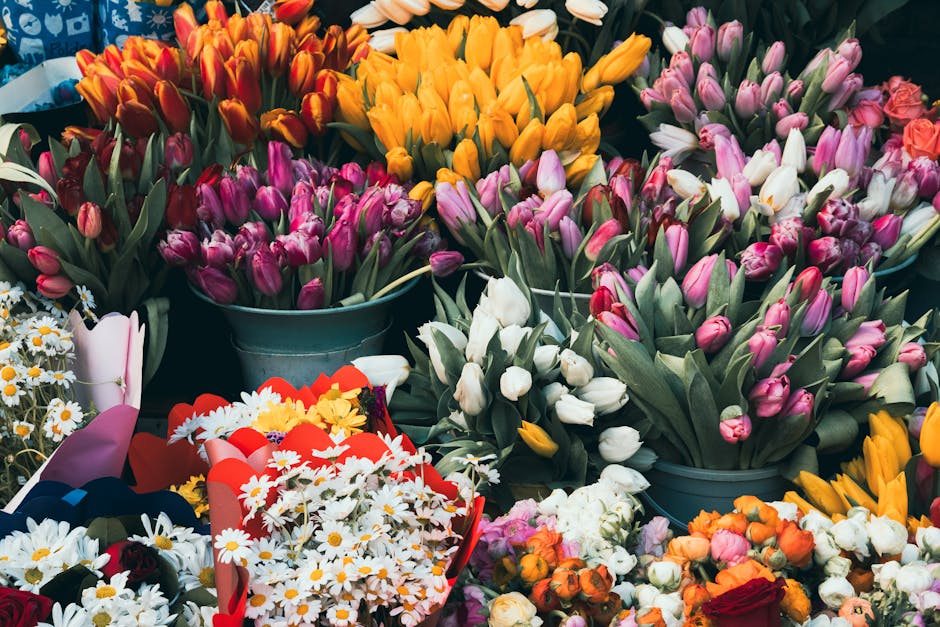
Wholesale markets still play an important role, especially in cities. A florist can walk a market early in the morning, compare buckets, inspect freshness with their own eyes, and buy what looks strongest. The charm of this method is speed and flexibility. The risk, of course, is that the best stems go fast. You snooze, you lose. A florist may have three alternatives in mind and then leave with the one best line of lisianthus they found at 5:30 a.m.
Some florists also work with mixed sourcing models. They may secure hero stems from farms and then fill out the design with market flowers, foliage, or locally available accents. This approach is common for event work where colour matching and stem counts matter more than any single source.
For customers who care about delivery and aftercare, it can help to understand how flowers move once ordered. A florist's sourcing choices are closely tied to practical pages such as flower delivery, delivery, and flower care.
What florists check before buying
- Stem firmness: A healthy stem should feel supported, not soft or waterlogged.
- Bud stage: Many seasonal blooms are best when partly open, not fully blown.
- Petal condition: Browning, bruising, or edge curl can signal poor handling.
- Leaf health: Leaves should be clean and intact, though a little natural variation is normal.
- Scent: A fresh British bloom often has a clean, green, or softly perfumed smell, not a sour one.
- Water quality in buckets: Cloudy water is a warning sign. Not always fatal, but worth noting.
Those checks sound basic, but they are where good florists quietly separate themselves from average ones. You can usually tell. The bouquet just holds together better.
Key benefits and practical advantages
Seasonal British sourcing is not a trend for the sake of trend. It solves real problems for florists and customers.
First, it improves freshness. Flowers that have travelled less often arrive in better condition. They may open more evenly, hold their heads better, and last longer once conditioned properly. To be fair, this is not guaranteed every single time, because flowers are living things, but the odds improve when logistics are shorter and simpler.
Second, it gives arrangements more personality. Seasonal British blooms often come with slight variations in size, tone, and shape. That sounds like a drawback until you see them in a hand-tied bouquet. The slight irregularity is what makes them feel real. A bit of edge, a bit of movement.
Third, it supports better design decisions. A florist working with the season can lean into the best material available rather than trying to fight for out-of-season stems. That leads to stronger composition. Spring looks like spring. Autumn looks like autumn. Simple, but very effective.
Fourth, it can be better value. When flowers are abundant locally, florists can often build fuller designs around what is naturally available. Customers may notice this as generosity in the bouquet, not just the number of stems but the sense that nothing has been squeezed in awkwardly.
Fifth, it supports traceable, more transparent buying. Many florists like being able to say where a bloom came from, who grew it, and how it was handled. That confidence matters in a market where people are increasingly asking sensible questions about origin and ethics.
Expert summary: The best seasonal sourcing is not simply "buy British." It is knowing which British blooms are at their best this week, which supplier can deliver reliably, and which flowers will actually perform well in the final design. That mix is where the craft lives.
Who this is for and when it makes sense
This approach is useful for several kinds of buyers, and not only flower professionals.
- Retail customers who want bouquets that feel more local and seasonal.
- Wedding clients who want designs that suit the month, venue, and budget.
- Corporate buyers who need dependable, tasteful flowers for receptions, launches, and meetings.
- Gift buyers who care about the story behind the bouquet as much as the look.
- Floristry students or new florists who want to understand sourcing before they commit to stock.
It makes the most sense when you want character, seasonality, and freshness rather than a very specific imported flower at all costs. If you are planning something around a fixed date, though, timing becomes more important. Mother's Day week, peak wedding season, Christmas, and Valentine's Day can tighten supply quickly. That is where the insider methods really matter.
For corporate customers who need repeatable ordering and clear logistics, it can be useful to look at corporate accounts alongside the practical details on payment and returns and refund. The less friction, the better.
Step-by-step guidance
Here is the sourcing process in the order many florists actually follow. It can vary, naturally, but this is the bones of it.
- Map the season. The florist identifies which British blooms are likely to be available in the coming weeks, not just today.
- Match the brief. For an event or retail range, they decide on colour palette, mood, stem lengths, and likely vase life.
- Check supply routes. They compare grower availability, market stock, and lead times. Sometimes there is one perfect source; often there are three good enough ones.
- Place tentative holds or pre-orders. For important work, florists reserve likely stems early. If they wait until the last minute, well, that's the florist equivalent of rolling the dice in the rain.
- Inspect on arrival. Stems are checked for freshness, damage, and consistency before they are conditioned or used in design.
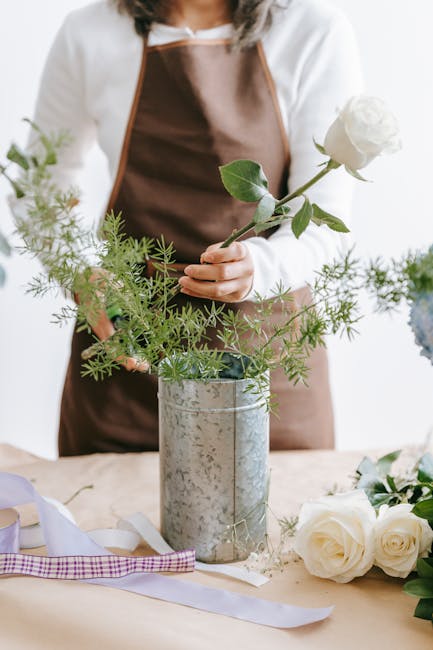
- Condition properly. Leaves are stripped where needed, stems are recut, buckets are cleaned, and the flowers are hydrated in cool, clean water.
- Design with movement in mind. Seasonal blooms usually look best when they are given room to breathe. Crowding them too much can kill the natural effect.
- Review what worked. After the order or event, the florist notes which suppliers performed best and which stems lasted well.
The review stage is often overlooked. It should not be. Good sourcing is cumulative. A florist remembers that one grower's dahlias were superb in August, or that a particular batch of tulips lasted beautifully after a cool morning delivery. Those little notes become future profit, honestly.
A practical sourcing rhythm
Many florists work to a weekly rhythm. Early week planning, midweek stock review, late-week buying for weekend demand. Weddings and special events may require a separate ordering cycle, especially if specific varieties need to be secured in advance. If the weather turns, plans can change fast. A cold snap, a wet spell, or an unexpectedly warm week can all affect bloom timing. It is rarely tidy.
Expert tips for better results
If you are choosing a florist or trying to source more intelligently yourself, these are the details that matter.
- Ask what is seasonal right now. A good florist can answer without sounding rehearsed.
- Be flexible on exact flower varieties. If you want "British spring flowers," there are usually several beautiful options that may suit better than forcing one stem.
- Prioritise shape and freshness over perfection. Tiny variations are part of the charm.
- Order a little earlier for peak dates. Fresh seasonal flowers sell out when demand spikes.
- Consider the final setting. Flowers that look lovely in a studio may behave differently in a hot venue or draughty hall.
- Use foliage intelligently. British-grown greenery can make a design feel fuller without overloading it.
- Keep notes after delivery. A quick record of what arrived best, what opened quickly, and what lasted is gold dust later.
One practical tip that sounds almost too simple: ask when the flowers were cut or received. Not every supplier tracks this the same way, but the answer can reveal a lot about freshness and handling. And if a florist hesitates? That does not automatically mean trouble, but it is worth noticing.
If you are storing flowers at home before an occasion, the care advice on flower care is a solid companion to seasonal buying. The best stems still need proper treatment once they leave the shop.
Common mistakes to avoid
Seasonal sourcing sounds easy until it is not. The common mistakes are usually predictable, which is both annoying and useful.
- Buying only by name. Some people fall in love with a flower variety before checking if it is actually at its best in Britain right now.
- Ignoring the weather. British growing is weather-sensitive. Overlooking that can lead to disappointed expectations.
- Ordering too late for peak dates. This is a classic. The stems exist, but not for long.
- Over-specifying every stem. Overly rigid briefs make seasonal design harder than it needs to be.
- Not asking about substitution policy. If a florist works seasonally, substitution is part of the process. It should be handled transparently.
- Forgetting venue conditions. Heat, sunlight, and transport can all affect performance after the flowers are chosen.
Another quiet mistake is assuming all British flowers are automatically the same in quality. They are not. Cultivation method, timing, cutting stage, packing, and transport all matter. A locally grown stem still needs careful handling. Nature does not do shortcuts, not really.
Tools, resources and recommendations
Florists do not need a complicated tech stack to source well, but a few tools and habits make the job much easier.
- Seasonal planning charts: Useful for knowing which British flowers are likely to peak month by month.
- Supplier notes: Simple records of quality, reliability, and stem life.
- Bucket management and clean water routines: Not glamorous, but absolutely essential.
- Sharp florist scissors or secateurs: Clean cuts help stems hydrate better.
- Cool storage where possible: Especially helpful before busy delivery windows.
- Clear customer communication templates: Handy for explaining seasonal substitutions calmly and confidently.
It also helps to choose a florist or flower business that is clear about its standards and operating practices. Pages such as guarantees, delivery, and about us are often where that confidence becomes visible. You do not need a glossy promise; you need consistency.
For broader business values, sustainability and modern slavery statement are useful trust signals too. They show that sourcing is being thought about beyond the vase.
Law, compliance, standards, or best practice
Most flower sourcing is not heavily regulated in the same way as some other industries, but that does not mean standards do not matter. Florists in the UK still need to operate responsibly, keep supplier records where relevant, and be careful about claims they make to customers.
Best practice usually includes honest origin descriptions, transparent substitution policies, clear pricing, and care guidance that does not overpromise. If flowers are labelled as British-grown or seasonal, those claims should be used carefully and accurately. Truth be told, the best businesses simply avoid fuzzy wording. They say what they know and do not claim what they cannot prove.
For customer-facing terms, it is wise to keep an eye on practical pages like terms and conditions, privacy policy, cookie policy, and accessibility statement. These do not source flowers directly, of course, but they help demonstrate a business that takes its responsibilities seriously.
In the supply chain, florists should also be alert to ethical sourcing expectations. Asking where flowers came from, how they were grown, and how workers were treated is part of modern best practice. There is nothing fussy about that. It is normal, and it should be.
Options, methods, or comparison table
Different sourcing methods suit different florists. Here is a practical comparison.
| Method | Strengths | Limitations | Best for |
|---|---|---|---|
| Direct from British grower | Freshness, traceability, strong seasonal character | Availability can change quickly; fewer exact substitutes | Premium bouquets, weddings, sustainability-led ranges |
| Wholesale market buying | Flexibility, speed, variety, last-minute access | High competition, variable consistency, early start times | Retail florists, daily trade, reactive buying |
| Pre-ordering through a supplier | Better planning, reserved stock, easier forecasting | Less room for spontaneous design changes | Events, corporate work, peak trading periods |
| Mixed sourcing model | Balanced control, wider palette, resilience if one source fails | Requires more coordination and good record-keeping | Experienced florists, larger orders, varied briefs |
The mixed model is often the sweet spot. It gives the florist enough control without making them dependent on a single supplier. If one farm's cosmos run early, another source may fill the gap. Simple, but it saves the day more often than people realise.
Case study or real-world example
Imagine a florist preparing flowers for a late-May celebration in London. The brief is soft, romantic, and distinctly British, with pale pinks, whites, and gentle green tones. The florist starts by checking which blooms are peaking: garden roses, peonies, sweet peas, early cosmos, and seasonal foliage. They know peonies are weather-sensitive and can move fast in warm spells, so they do not leave them to chance.
Rather than relying on one source, the florist places a reservation with a grower for the key stems and then buys supporting flowers from a market the next morning. On arrival, everything is checked quickly. The roses are firm. The sweet peas are fragrant but not fully open. The foliage gives the whole design structure without overpowering the softer flowers. A small batch of one variety is swapped out because the buds are too tight, which is annoying in the moment but the right call.
When the flowers are arranged, the result feels effortless. But it was not effortless at all. It was a series of sensible choices made early, then adjusted in real time. That is the insider method in a nutshell: know the season, trust your suppliers, check the condition, and leave room for the flowers to be themselves.
And yes, sometimes the best result comes from the stem you almost did not buy. Flowers can be a bit like that.
Practical checklist
Use this before placing a seasonal British flower order or choosing a florist.
- Have I checked what is genuinely in season right now?
- Do I know whether the flowers are British-grown, locally sourced, or mixed origin?
- Have I allowed for seasonal substitution if needed?
- Are the stems being bought close enough to use-date for strong freshness?
- Does the florist or supplier explain conditioning and care clearly?
- Will the chosen flowers suit the venue, weather, and transport conditions?
- Have I balanced hero stems with supporting flowers and foliage?
- Is the budget aligned with the season and the available varieties?
- Do I understand delivery timing and any cut-off dates?
- Have I saved any useful notes for next time?
If you can tick most of those boxes, you are in good shape. Not perfect. Just well prepared, which is usually better.
Get a free quote today and see how much you can save.
Conclusion
How florists source seasonal British blooms: insider methods is really a story about timing, trust, and judgment. The best florists do not simply buy what is available; they read the season, work closely with growers, inspect quality carefully, and design around what nature is offering at that moment. That is why seasonal bouquets often feel more elegant, more honest, and more memorable.
For customers, the lesson is reassuring: if you value freshness, character, and a bouquet that feels rooted in the time of year, seasonal British sourcing is usually the smart choice. For florists, it is a craft worth mastering because it improves the work, the story, and often the result. A good flower day has a kind of quiet magic to it. You can feel it before you even touch the stems.
And when it is done well, the flowers do the talking. They really do.
Frequently Asked Questions
What are seasonal British blooms?
Seasonal British blooms are flowers grown in the UK that are naturally at their best during a particular time of year. They usually look fresher, last well, and feel more aligned with the season than out-of-season imports.
How do florists know what is in season?
Florists keep seasonal planning charts, speak regularly with growers, watch market availability, and learn from experience. Weather also plays a part, because British growing conditions can shift a crop forward or delay it.
Are British flowers always better than imported flowers?
Not always. British flowers often offer freshness, character, and lower transport impact, but the best choice depends on the brief, the season, and the quality available. Sometimes imported stems are the right fit for a specific design.
Why do seasonal flowers sometimes cost more?
Pricing can move with supply and demand. A flower that is at peak popularity, short in supply, or difficult to grow in a given week may cost more. The market can be a bit dramatic, to be fair.
Can florists guarantee exact flowers for weddings?
They can often reserve specific stems, but with seasonal British blooms there is usually some level of variation. A good florist will explain substitution policy clearly and design with flexibility in mind.
How fresh are flowers from British growers?
They can be very fresh because they often travel less and are cut closer to use time. That said, freshness still depends on harvesting stage, handling, water care, and delivery conditions.
What does a florist check when sourcing flowers?
They look at stem strength, petal condition, leaf health, hydration, bud stage, and overall consistency. If the bucket water looks poor or the stems feel tired, they may pass. Sensible, really.
Is seasonal sourcing better for sustainability?
It can be, because shorter transport and local growing can reduce some of the impact associated with long-distance supply chains. But sustainability depends on many factors, including growing methods and logistics, so it is best treated as part of a wider picture.
How far in advance should I order seasonal flowers?
For important dates, earlier is safer. Weddings, peak holidays, and corporate events often need advance planning because the best seasonal stems can sell through quickly.
What if the exact flower I want is not available?
That is normal with seasonal flowers. A skilled florist will suggest alternatives that suit the same colour mood or style without forcing the season. Often the substitute ends up looking better anyway.
How can I tell if a florist really sources British blooms?
Ask where the flowers come from, what is in season, and how substitutions are handled. A trustworthy florist will answer plainly and without dodging the question. Clarity is a good sign.
Do British seasonal blooms last longer in the vase?
Often, yes, especially if they are harvested and handled well. Longer vase life is one of the big practical advantages, though good aftercare still matters once the flowers are home.
Where can I learn more about care, delivery, or business policies?
Useful starting points include flower care, delivery, and the business policy pages on the site. They help you understand what happens before and after the flowers arrive.