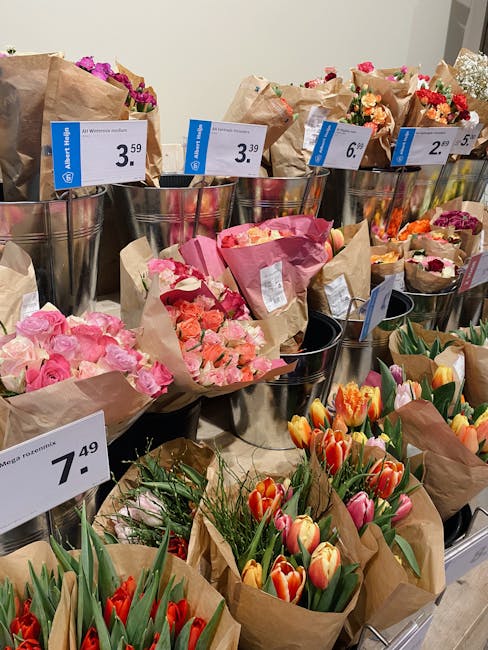
What affects bouquet prices in the UK: cost factors explained
Buying flowers should feel enjoyable, not mysterious. Yet when you compare two bouquets that look fairly similar and one costs twice as much, it can leave you wondering what on earth you are paying for. The truth is that what affects bouquet prices in the UK: cost factors explained comes down to a mix of flower availability, stem quality, seasonality, design time, delivery, and a few other details that are easy to miss at first glance.
If you have ever stood in a shop or browsed online on a rainy Thursday afternoon and thought, "Why is this one so much more expensive?", you are not alone. In our experience, bouquet pricing makes a lot more sense once you know how florists build up the cost. That matters whether you are ordering a birthday bunch, planning wedding flowers, or simply trying to get good value without ending up with something limp by the next morning.
This guide breaks it all down in plain English. You will see the main price drivers, what genuinely adds value, where costs can creep up, and how to compare bouquets properly before you buy. A few of the points are obvious. A few are not. And, to be fair, the less obvious ones are often the ones that make the biggest difference.
- Why bouquet pricing matters
- How bouquet prices are built
- Key benefits of understanding the cost factors
- Who this is for and when it makes sense
- Step-by-step guidance
- Expert tips for better value
- Common mistakes to avoid
- Tools, resources and recommendations
- Law, compliance, standards and best practice
- Options and comparison table
- Case study or real-world example
- Practical checklist
- Conclusion
- Frequently asked questions
Why what affects bouquet prices in the UK: cost factors explained matters
Understanding bouquet pricing is useful for more than saving a few pounds. It helps you judge quality, spot genuine value, and avoid overpaying for presentation rather than substance. A bouquet can look polished on a screen, but the real cost may be driven by imported stems, careful hand-tying, or same-day delivery across town. If you do not know what is behind the price, comparison becomes guesswork.
This is especially relevant in the UK, where flower availability can shift quickly with the seasons and with weather. A florist working in central London may face very different overheads from someone serving a smaller high street. That can affect the final bouquet price even before a single stem is selected. In other words, the number on the tag is not random.
There is also a practical side. If you are buying flowers for an anniversary, a condolence arrangement, a corporate event, or a last-minute gift, the wrong choice can leave you underwhelmed or over budget. Knowing the main price drivers helps you choose with confidence rather than crossing your fingers and hoping for the best.
For readers comparing floral services more broadly, it can help to look at the whole local offering as well. For example, if you are also considering arrangements for special occasions, a related page such as Bloomsbury florist can give helpful context about the kind of service and style available in your area.
How what affects bouquet prices in the UK: cost factors explained works
Bouquet pricing is usually built from several layers. Think of it like a recipe, except the ingredients are flowers, labour, transport, and business overheads. Some bouquets are priced mainly on stem count. Others are priced on design complexity or premium flowers. Most are a combination of both.
Here is the basic logic: the florist buys flowers, prepares them, arranges them, protects them, and delivers them if needed. Each step adds cost. A simple supermarket-style bunch has a different cost structure from a hand-crafted florist bouquet wrapped carefully for next-day delivery. That difference is not just branding; it is work, handling, and risk.
There are also market conditions at play. If peonies are in season and plentiful, they are usually easier to source. If they are out of season or imported, the cost can climb. The same applies to roses around peak occasions like Valentine's Day or Mother's Day, when demand pushes prices up and availability tightens. Nothing magical there. Just supply and demand doing their thing.
On the florist side, pricing needs to cover:
- flower purchase cost
- wastage and unusable stems
- design time and skilled labour
- packaging materials
- transport and fuel
- shop rent, utilities, and general overhead
- delivery service, if included
That is why two bouquets with similar-looking flowers can still be priced quite differently. One might be a fast, standard arrangement. The other may use better-quality stems, more careful conditioning, and a more complex shape. Small differences add up quickly.
Key benefits and practical advantages
Once you understand bouquet pricing, shopping becomes far less frustrating. You stop comparing apples with oranges and start comparing like with like. That alone can save money.
Some of the main benefits are surprisingly practical:
- Better value decisions: you can tell when a bouquet is expensive because of quality, not hype.
- Fewer disappointments: you know what to expect from a budget bunch versus a premium arrangement.
- Smarter timing: you can avoid the highest-demand dates unless you genuinely need them.
- Clearer gifting: you can match the bouquet to the occasion without overspending.
- More confidence online: you can compare descriptions, stem counts, and delivery terms properly.
There is also a nice emotional benefit here. Flowers are often bought in a hurry, and that can make people feel slightly vulnerable. If you understand what you are buying, the whole process feels calmer. Less panic. Less second-guessing. A lot more satisfaction when the bouquet lands on the kitchen table and actually looks as good as promised.
If you are buying regularly for a business, restaurant, reception desk, or venue, this knowledge becomes even more valuable. It helps you budget sensibly and choose arrangements that fit your setting. You may also want to explore a trusted local service page like London florist if you need something reliable in the city.
Who this is for and when it makes sense
This guide is for anyone who has ever looked at a bouquet price and thought it felt a bit arbitrary. That includes casual buyers, event planners, office managers, wedding couples, and people sending flowers from another city. It also helps if you are simply trying to decide whether to spend ?30, ?50, or ?80 on an arrangement and want to know what each bracket usually buys you.
It makes particular sense when:
- you need flowers for a special date and want to budget properly
- you are comparing local florists with online flower delivery services
- you want to understand why seasonal flowers cost less or more
- you need a bouquet that looks premium without going overboard
- you are ordering from an area with higher delivery or labour costs
For wedding and event buyers, pricing matters even more because the budget multiplies fast. One bouquet becomes ten. Then buttonholes, table flowers, and a few extras creep in, as they always do. If you are planning that kind of purchase, it is worth looking at a specialist service page like wedding flowers so you can understand the design and cost implications of custom work.
And if your purchase is for a particularly important moment, such as a sympathy arrangement or a formal tribute, the price may reflect more careful construction and presentation than you would see in a standard gift bouquet. That is normal. Not every bouquet should be judged by stem count alone.
Step-by-step guidance
If you want to assess bouquet pricing properly, follow a simple process. Nothing fancy. Just a steady way to compare options without getting carried away by pretty photos.
- Identify the occasion. A birthday bunch and a condolence bouquet are priced differently because their design goals differ.
- Check the flower types. Premium blooms, imported flowers, and out-of-season stems usually cost more.
- Look for stem count or size guidance. Not every bouquet uses the same number of stems, so "medium" can mean very different things from one florist to another.
- Read the description carefully. Terms like "seasonal selection," "choice blooms," or "mixed florist's choice" often affect price and final appearance.
- Factor in packaging and presentation. Hand-tied wrapping, boxes, ribbons, and water sources all add cost and improve the finish.
- Check delivery terms. Same-day, timed, or long-distance delivery can change the total quite a bit.
- Ask whether substitutions apply. If a florist replaces flowers because of seasonality, the style may remain similar but the exact stems may differ.
- Compare overall value, not just the headline price. A slightly pricier bouquet can be better value if it includes better flowers and lower delivery fees.
A practical example: suppose you are choosing between two bouquets that both say "luxury mixed arrangement." One includes carefully selected premium stems, same-day local delivery, and presentation packaging. The other is a larger-looking bunch with generic mixed flowers and a separate delivery charge. The first may actually be better value even if the headline price is higher. That is where many buyers get caught out. Happens all the time, honestly.
If you are buying in a busy district or needing something delivered quickly, service reliability matters too. You might want to browse a nearby local option such as flower shop in London for a clearer sense of the arrangement style and service level on offer.
Expert tips for better results
If you want stronger value without sacrificing quality, a few small choices go a long way. These are the kinds of things experienced florists and regular buyers tend to learn after a few orders.
Choose seasonal flowers where possible
Seasonal blooms generally offer better freshness, better availability, and better value. You are less likely to pay a premium for import costs or supply shortages. The bouquet often looks more natural too. There is a softness to seasonal arrangements that feels right, especially in spring and early summer.
Be flexible on exact flower type
If your main goal is colour, mood, or impact, not a specific stem, say so. A florist can often create a more cost-effective bouquet by swapping one flower for another of a similar tone. That small bit of flexibility can make a noticeable difference.
Watch the delivery window
Same-day delivery is convenient, but it can be pricier because it compresses the florist's schedule. If you can order ahead, you may get better pricing and a broader choice of stems. A simple thing, really, but it matters.
Do not over-focus on bouquet size alone
A larger bouquet is not always the better bouquet. A tighter, better-balanced design with fresher stems can have more impact than a bulky arrangement with weaker flowers. Size is only one part of the story.
Ask how the flowers are conditioned
Conditioning means preparing stems properly so they last longer once they reach the recipient. It is one of those unseen steps that affects quality and price. You do not always need to ask, but if you want longer vase life, it is worth knowing.
Expert summary: The best bouquet value is usually found where good stem quality, sensible seasonality, and honest delivery terms meet. Fancy packaging helps, yes, but fresh flowers and thoughtful design are what people actually remember.
Common mistakes to avoid
Most bouquet-buying mistakes are understandable. The pictures look lovely, you are in a hurry, and suddenly the checkout total is a bit more than you expected. Still, a few habits cause avoidable disappointment.
- Buying only on appearance: photos can flatter a bouquet that is smaller or simpler in real life.
- Ignoring delivery charges: a low headline price can be offset by a high service fee.
- Assuming every "luxury" bouquet is equivalent: one florist's luxury is another's mid-range arrangement.
- Forgetting seasonality: out-of-season stems can change both price and final look.
- Not checking substitutions: if a bouquet is florist's choice, the exact flowers may vary.
- Leaving it too late: last-minute orders often cost more and limit your options.
There is also the classic mistake of thinking a bouquet should be judged only by how many flowers you can count. Truth be told, that is a bit like judging a cake by the size of the box. Structure, freshness, and design matter. A lot.
If you are ordering for a busy date, it can be sensible to plan a little ahead and use a service that clearly explains its delivery and product options. You may find pages such as same day flower delivery useful when timing is tight and expectations need to be realistic.
Tools, resources and recommendations
You do not need specialist software to compare bouquet prices, but a few simple tools and habits make the process easier.
- Notes app or spreadsheet: useful for comparing prices, stem counts, and delivery fees across florist options.
- Calendar reminders: helpful if you regularly buy flowers for anniversaries, birthdays, or recurring business needs.
- Photos of previous bouquets: a practical reference for what you liked, what lasted well, and what felt poor value.
- Order history: if you use the same florist repeatedly, this can help you see how pricing changes across seasons.
It also helps to look at the florist's wider service range. A business that offers thoughtful arrangements for different occasions may explain products more clearly, which makes price comparison easier. For example, if you are exploring gift or event flowers, a page like flower delivery can help you judge how service and presentation are structured.
Another useful habit is to read product descriptions slowly. That sounds obvious, I know. But people often skim and miss the details that matter most: vase included or not, size, exact stems, delivery cut-off time, or whether the bouquet is handcrafted to order. Those small lines are usually where the real value sits.
Law, compliance, standards and best practice
For most buyers, bouquet pricing is not a legal or compliance-heavy issue. Still, there are a few best-practice points worth keeping in mind, especially if you are ordering online or buying for a business.
Florists and retailers should present products clearly and honestly. That means descriptions should not mislead customers about size, flower variety, or included extras. If substitutions are used because a flower is unavailable, the arrangement should still follow the promised style and value level. That is basic good practice, and you are well within your rights to expect clarity.
For business buyers, invoices and VAT treatment may matter depending on the supplier and the nature of the order. If you are ordering regularly for offices, venues, or events, keep records tidy from the start. It saves hassle later. Not glamorous, but useful.
There is also a practical quality standard that is not written on a label: freshness. A bouquet should arrive in good condition, with stems protected appropriately and designed to hold up for a reasonable vase life. If packaging, transport, or heat exposure is poor, even a well-priced bouquet can disappoint. On a warm day, that matters more than people think. Flowers do not love being bounced around in a hot van, let's face it.
When in doubt, buy from florists who explain their products clearly and avoid vague claims. Transparency is usually a strong sign of competence.
Options, methods, or comparison table
It helps to compare bouquet types by what you are actually paying for. A lower price is not automatically better if the bouquet is not suited to the occasion or does not last well.
| Bouquet type | Typical cost drivers | Best for | What to watch |
|---|---|---|---|
| Seasonal mixed bouquet | Local availability, simple design, good freshness | Everyday gifts, value-focused buyers | Exact flowers may vary |
| Premium hand-tied bouquet | Higher-grade stems, design time, premium packaging | Anniversaries, birthdays, special occasions | Can be pricier during peak dates |
| Luxury imported bouquet | Imported blooms, rarer stems, more complex styling | Impact gifting, formal events | Shorter availability windows |
| Florist's choice bouquet | Flexible sourcing, seasonal substitution, efficient use of stock | Shoppers who trust the florist | Less control over exact flowers |
| Same-day delivery bouquet | Urgency, route planning, courier or local delivery cost | Last-minute gifting | Often fewer options and higher fees |
The real trick is matching the bouquet type to the job it needs to do. A simple, well-chosen seasonal bouquet can feel more thoughtful than an expensive mixed arrangement that does not suit the recipient. There is no prize for overspending if the flowers themselves miss the mark.
Case study or real-world example
Here is a realistic scenario. Imagine you need a bouquet for a friend's birthday in London on a Friday morning. You are comparing two options.
The first is a ?35 seasonal bouquet with mixed stems, a standard wrap, and next-day delivery. The second is a ?55 premium hand-tied bouquet with imported roses, stronger presentation, and timed delivery. On the surface, the second looks expensive. But if the recipient is at a workplace, and you need the bouquet to arrive looking polished and intact, the extra cost may be justified.
Now flip the scenario. If you are sending flowers to a friend at home and they care more about colour and freshness than about specific blooms, the ?35 bouquet could be the better buy. It gives you a nice result without paying for features you do not really need.
This is the part people often overlook: price is only meaningful relative to purpose. A bouquet for a romantic dinner, a hospital visit, and a corporate reception are all different buying decisions. Same flowers? Not necessarily. Same budget logic? Absolutely not.
One small real-world observation: bouquets that look simple in the product photo often land best when the flowers are fresh and the colours are well chosen. You open the paper, catch that soft green scent, and the whole thing just feels right. No fuss. No overcomplication. Just a good bouquet doing its job.
Practical checklist
Use this quick checklist before you place an order. It keeps the decision simple, and it stops you paying for features you may not need.
- Have I matched the bouquet to the occasion?
- Do I know which flowers are in season?
- Have I checked whether delivery is included?
- Does the product description mention size or stem count?
- Are substitutions allowed if a flower is unavailable?
- Does the price seem fair for the design and presentation?
- Have I checked the order cut-off time?
- Do I need same-day delivery, or can I order ahead?
- Am I paying for premium flowers that actually matter to the recipient?
- Have I compared the total cost, not just the headline price?
If you can tick most of those boxes, you are in a good place. Not perfect, maybe. But good. And good is often more than enough when you want flowers to land beautifully and on time.
Conclusion
When you understand what affects bouquet prices in the UK: cost factors explained, the whole buying process becomes much clearer. You start to see that bouquet pricing is shaped by more than petals and ribbon. Flower seasonality, stem quality, design work, delivery, and local overheads all play a part.
The best approach is not to chase the cheapest option blindly. It is to choose the bouquet that fits the occasion, the timing, and the recipient. Sometimes that means a simple seasonal bunch. Sometimes it means a more polished arrangement with careful delivery. Either way, you are making a better decision when you know what sits behind the price.
And if you are buying flowers for someone special, that bit of confidence matters. It means the gesture feels thoughtful, not rushed. Which, really, is the whole point.
Get a free quote today and see how much you can save.
Frequently Asked Questions
Why do bouquet prices vary so much in the UK?
Bouquet prices vary because florists use different flowers, designs, packaging, and delivery methods. Seasonal availability, import costs, and local overheads also influence the final price.
Are expensive bouquets always better quality?
Not always. A higher price can reflect premium stems, more skilled design, or faster delivery, but it does not guarantee a better result for your specific occasion. Always check the description and what is included.
Do seasonal flowers really cost less?
Usually, yes. Seasonal flowers are generally easier to source, fresher, and less expensive than out-of-season blooms that need importing or special handling.
Why do same-day bouquets cost more?
Same-day orders often cost more because the florist has less time to source flowers, prepare the arrangement, and plan delivery efficiently. It is a convenience charge as much as anything else.
What should I check before comparing bouquet prices?
Look at the flower types, stem count or size guidance, delivery fees, packaging, and whether substitutions are allowed. Those details matter far more than the headline price alone.
Is a florist's choice bouquet cheaper than a custom one?
It often can be, because the florist can use the best available flowers in stock and avoid some of the extra planning involved in a custom request. That said, the final look depends on the florist's style and stock.
How do delivery fees affect the total price?
Delivery fees can change the overall cost significantly, especially for timed, same-day, or longer-distance deliveries. Always check the final basket total before you decide.
Can bouquet prices be higher around special occasions?
Yes. Key dates like Valentine's Day, Mother's Day, and peak wedding season often push prices up because demand rises and availability tightens. That is normal in the floral trade.
What makes a bouquet good value rather than just cheap?
Good value usually means the bouquet is fresh, well-designed, appropriately sized for the occasion, and fairly priced once delivery and packaging are included. Cheap is not always value.
Should I worry about flower substitutions?
Not necessarily. Substitutions are common when flowers are seasonal or in short supply. The key is whether the florist keeps the style, quality level, and overall value consistent with what was advertised.
Do local London florists charge more than smaller-town florists?
They sometimes do, mainly because rent, wages, and delivery costs can be higher in London. But local service, speed, and presentation can justify that difference for many buyers.
What is the best way to save money on bouquet prices without making the flowers look poor?
Choose seasonal stems, be flexible on exact flower types, avoid peak-date delivery where possible, and compare the full cost rather than only the product price. That is usually where the sensible savings are.